Anyone experiencing domestic abuse needs protection and support. On this website, people affected, those around them and professionals can find information on support services, counselling centres, and all aspects of police and court proceedings.
Note: In line with the terminology used in the Criminal Code and the Protection Against Violence Act, this website uses masculine forms when referring to perpetrators. However, these terms are intended to refer to people of all genders.
Help and counselling for people affected

The Violence against Women Helpline offers free and anonymous initial counselling for women experiencing domestic abuse. People who suspect that someone they know may be affected by domestic violence can also contact the helpline. In addition to telephone counselling, online counselling is also available.
Encouraging voices
-
Romy Stangl
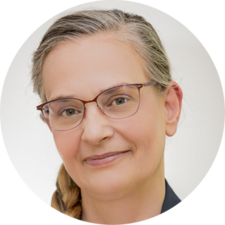
Survivor of emotional and physical abuse during childhood and in a relationship; Board Member of One Billion Rising München e. V.
I know from my own experience how difficult it can be to talk about the abuse you’ve experienced – but also how much strength can come from confiding in someone. Maybe you’re afraid, maybe you can’t find the words. But you’re not alone, and none of what happened to you is your fault. You have nothing to be ashamed of. The shame must change sides. The responsibility lies solely with the person who is or has been abusive toward you. No one has the right to hurt you – in any way.
-
Silvia E.

I know how much courage it can take to take that first step away from abuse. Maybe you’re afraid, or maybe you’re not sure what to do next. But you’re not alone. There are women who will listen to you, believe you, and stand by your side. You don’t have to do everything at once – every step counts and can be the beginning of a new path: toward safety, freedom, and a life free from abuse. You deserve a life without fear, where you are respected and protected.
-
Jessica

Back then, my friends tried desperately to talk me out of going to the women’s shelter. “You don’t belong there,” they said. But who does belong there? The women’s shelter isn’t for victims who can’t get their lives together. A women’s shelter is for survivors of violence who have decided to give themselves and their children a better, violence-free life. I arrived filled with fear and self-doubt, and I left—step by step on my path to healing—with endless gratitude.
Key questions and answers for people affected
Who can I turn to if I experience abuse?
The Violence against Women Helpline is there to support women who have experienced abuse. You can reach this nationwide service free of charge and anonymously 24 hours a day, 365 days a year, by calling 116 016, via email, or through the live chat or scheduled chat at www.hilfetelefon.de. Counsellors provide support in 18 languages, as well as in German Sign Language and in Easy-to-Read German.
The Federal Office for Family Affairs and Civil Society Functions (BAfzA) operates the helpline.
For men who are experiencing or have experienced abuse, there is the Help Hotline for Violence Against Men at 0800 1239900 as a specialist support service. The Nummer gegen Kummer helpline (116 111) provides counselling for children and young people.
Where can I get help for domestic abuse near me?
You can find personal counselling and support from numerous support organizations throughout Germany. The Help Finder lists counselling and intervention services that offer help with domestic abuse.
Who should I contact in an emergency?
Domestic abuse is not a private matter; it is a serious violation of your rights. If you are in immediate danger, call the police emergency number - 110. By the way: even if you are not personally affected by abuse but notice clear signs of a dangerous situation—for example, screams coming from the apartment next door—you should call the police. For more information on how you can support people experiencing domestic abuse, see the Helping others section.
The information page for those affected contains a compilation of additional questions and answers.